Diagnostics
What Your Check Engine Light Actually Means
A trouble code names a circuit, not a broken part. What the light is telling you, when it is urgent, and why the free code read is only step one.
The check engine light is the most misunderstood thing on your dashboard. It is not a countdown timer and it is not a suggestion, but it also does not always mean you should pull over.
Here is how to read it.
Steady light versus flashing light
This distinction matters more than the code itself.
A steady light means the engine computer logged a fault that is outside its acceptable range. The vehicle is generally safe to drive, and you should get it looked at reasonably soon. Left alone, small faults tend to become expensive ones, and an emissions problem will fail an inspection.
A flashing light means an active misfire. Raw, unburned fuel is being dumped into your exhaust, where it burns inside the catalytic converter and can destroy it in a surprisingly short drive. A catalytic converter is one of the more expensive parts on a modern vehicle.
If your light is flashing, stop driving. That one is genuinely urgent.
The free code read is step one, not the answer
Any parts store will scan your vehicle for free and hand you a code like P0171. That is genuinely useful information and it is worth getting.
What it is not is a diagnosis.
A trouble code identifies the circuit or system that reported a problem. It does not identify the failed component. P0171 means “system too lean, bank 1,” which means the computer is adding fuel to compensate for extra air it did not expect. That single code can be caused by:
- A vacuum leak anywhere in the intake, including a cracked hose or a failed gasket
- A dirty or failing mass airflow sensor
- A weak fuel pump or a clogged fuel filter
- A leaking or restricted fuel injector
- An exhaust leak upstream of the oxygen sensor
- A failing oxygen sensor reporting inaccurately
Six very different repairs, one code. The oxygen sensor is the part most often replaced for this code, and it is frequently the one part that was working correctly. It reported the problem accurately and got blamed for it.
What proper diagnosis looks like
Reading codes is where we start, not where we finish.
Pull all codes, including manufacturer specific ones. A basic code reader only shows generic emissions codes. Many faults live in manufacturer specific codes that a cheap scanner never displays.
Read freeze frame data. When the computer logs a code it snapshots conditions at that moment: engine speed, coolant temperature, load, fuel trim. That tells us whether the fault happens cold, hot, at idle or under load, which narrows things down considerably.
Watch live data while the engine runs. Fuel trims, sensor voltages and airflow readings in real time show us what the engine is actually doing rather than what it reported at some point in the past.
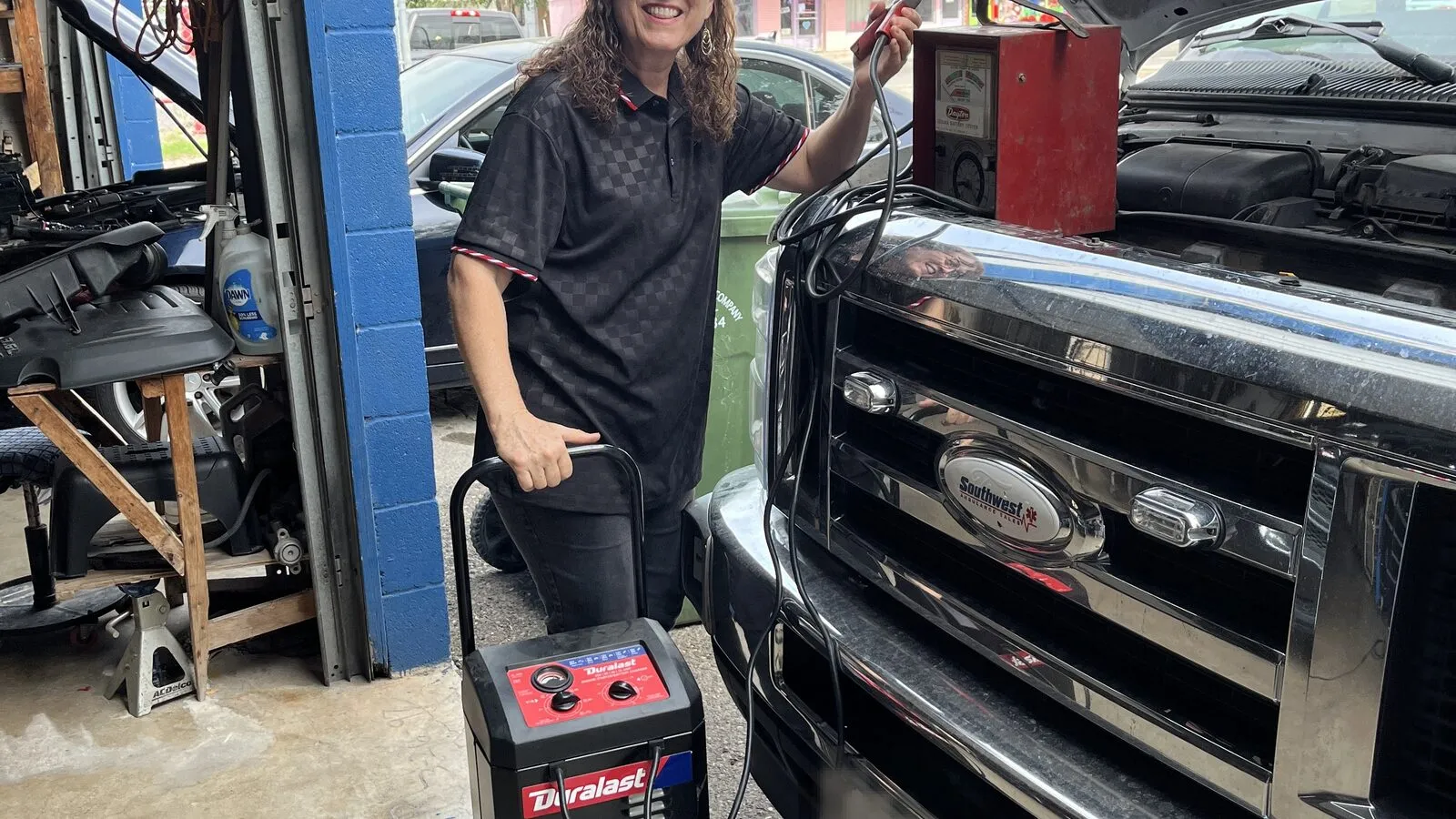
Test the circuit. Once the data points somewhere, we test that specific component and its wiring with a meter. This is the step that separates knowing from guessing, and it is the step that gets skipped when parts get thrown at a code.
Common codes and what they usually mean
P0300 through P0308 are misfire codes. The last digit is the cylinder number, so P0304 is cylinder 4. Causes are usually ignition, fuel delivery or compression in that cylinder.
P0420 and P0430 say catalyst efficiency is below threshold. People read this as “you need a catalytic converter.” Often true, but a lazy oxygen sensor or an exhaust leak will produce the same code, so testing first is worth it given what converters cost.
P0171 and P0174 are the lean codes discussed above.
P0455 and P0442 are evaporative emission leaks. The first thing to check is your gas cap, and it costs nothing to try. A loose or cracked cap sets these codes regularly.
P0128 means the engine is not reaching operating temperature, which is usually a stuck thermostat.
Will the light turn itself off?
Sometimes. If the fault does not repeat across several drive cycles, the computer will clear the light on its own. The code stays stored in memory, which is why we can still read a history even after the light goes out.
Clearing the code with a scanner turns the light off immediately, but it does not fix anything. It also erases the readiness monitors, which is worth knowing if you have an inspection coming up, because a vehicle with incomplete monitors will not pass even with no light on.
When to bring it in
Bring it in soon if the light is steady and the vehicle drives normally. Bring it in immediately if the light is flashing, or if you notice shaking, loss of power, overheating, unusual smells or new noises.
Bring the code with you if you have it. It saves time and we would rather start from what you already know.
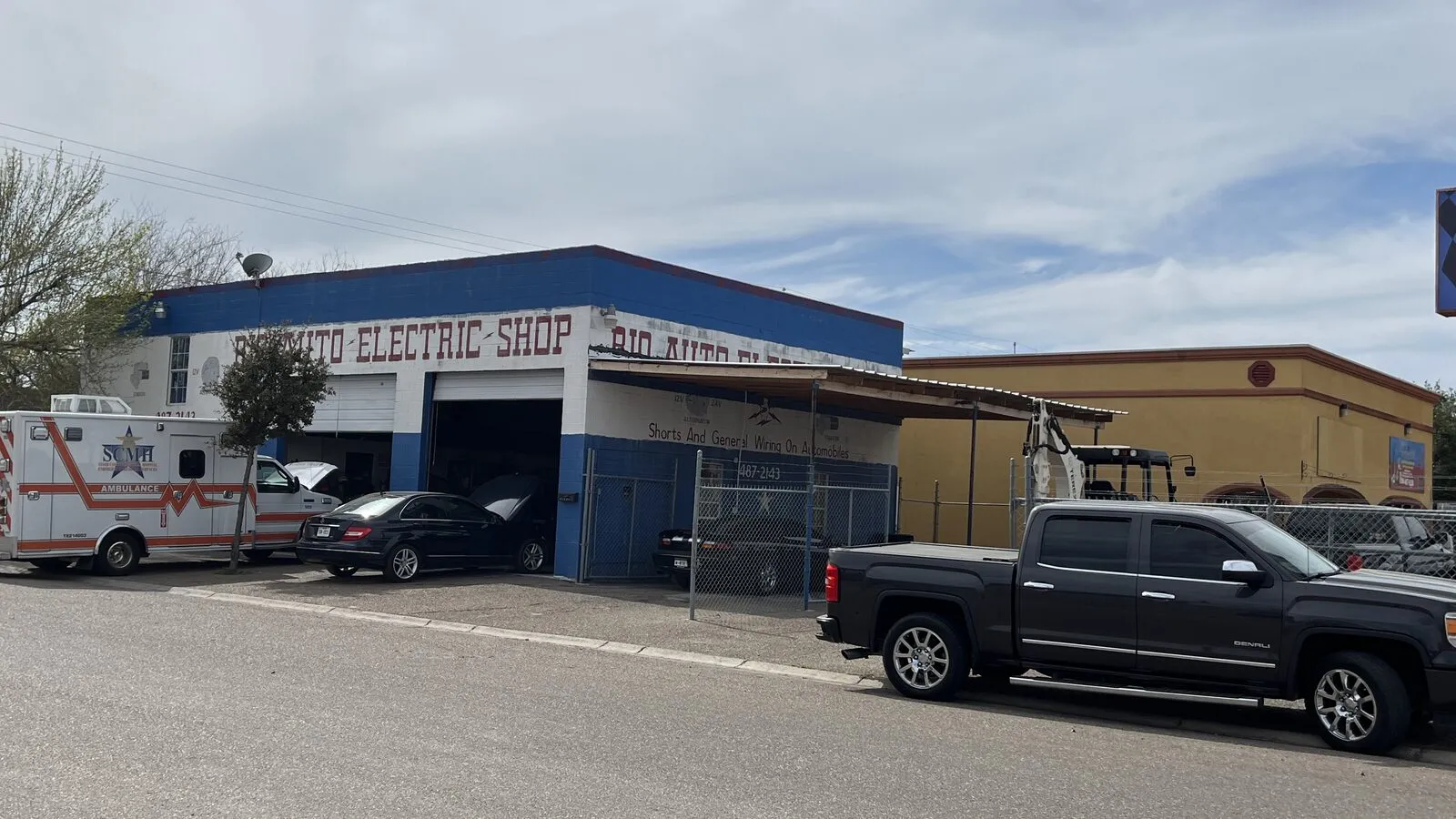
We are at 400 W Main St in Rio Grande City, open Monday through Thursday, 9 AM to 5 PM. Call (956) 487-2143.